"I have nothing to wear." It is the most common sentence spoken into a closet, and it is almost never literally true. The woman who says it typically owns 142 items of clothing. Many of them are lovely. A few of them are expensive. A handful were, once, the exact thing she was looking for.
And yet, on a Tuesday at 7:48 in the morning, she means it. She has nothing to wear. This is a real feeling. It deserves a real answer.
The Hemingway closet.
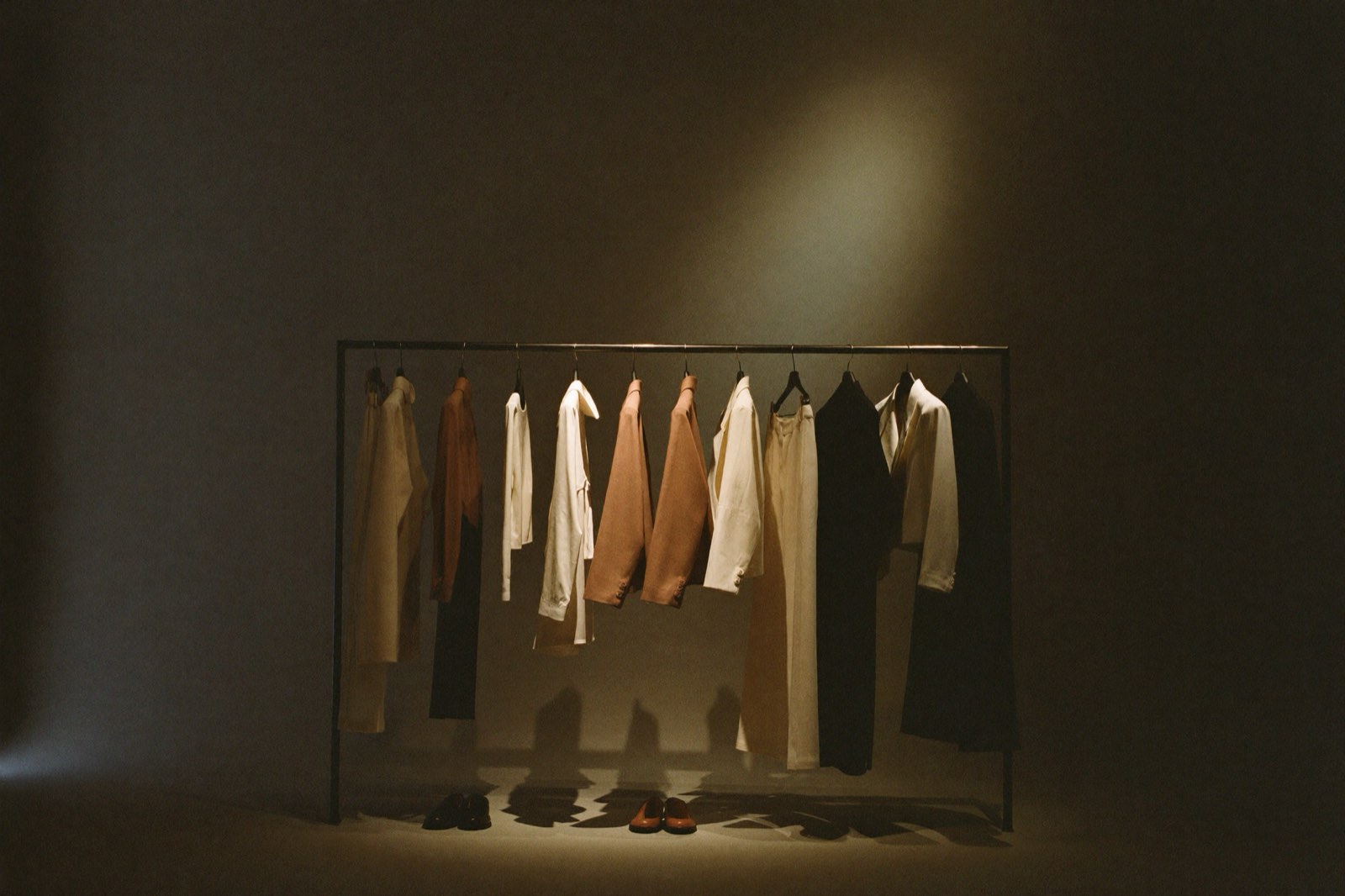
There is a moment in A Moveable Feast where Hemingway describes the Paris apartment he shared with his first wife, Hadley. They were broke. There were, he says, exactly two of everything — two forks, two plates, two chairs. When you have two of a thing, you do not have to decide which one to use.
Choice is a tax. Your closet collects it at the door.
Most women do not have a Hemingway closet. They have a closet with forty tops, eleven of which they actually wear, and the other twenty-nine of which look vaguely at them each morning as if to ask what they did wrong.
The forty tops are not too many in an absolute sense. The problem is that the eleven good ones are hidden, visually, inside the twenty-nine noisy ones. When you open the closet, your eye has to do work that your eye did not want to do at 7:48am.
Why shopping doesn't fix it.
The instinct, when you have nothing to wear, is to buy something. Sometimes this works for an afternoon. It almost never works for the underlying feeling, because the underlying feeling is not I need a new thing. It is I cannot see what I have.
A new top, added to forty tops, does not fix the signal-to-noise problem. It makes it marginally worse and spends £80 doing it. This is the paradox of the full closet: every new item reduces the apparent value of the others.
The 20/80 rule of wardrobes.
Research into closet behaviour — and our own interviews with 300 women for Drobe — converges on a number: most women wear twenty percent of their closet, eighty percent of the time. Not because the other eighty percent is bad. Because the other eighty percent is, for all practical purposes, invisible.
The black jeans they reach for are not better than the grey jeans they forget. They are just on top, easier to find, and already styled into a known outfit in the mind.
Seeing, not shopping.
This reframes the problem. If the issue is seeing, not owning, then the answer is not a new thing — it is a new way of looking at the things you already have.
Historically this work was done by a stylist: someone paid to walk into your closet, take everything out, and hand it back to you categorised, coordinated, and — this is the part that matters — visible. A stylist's real product is not taste. It is attention.
Attention is expensive. Most women will not hire a stylist, ever. But software, it turns out, can give some of this attention away for close to free.
The smartest wardrobe app is the one that makes your actual clothes easier to see.
What Drobe is for.
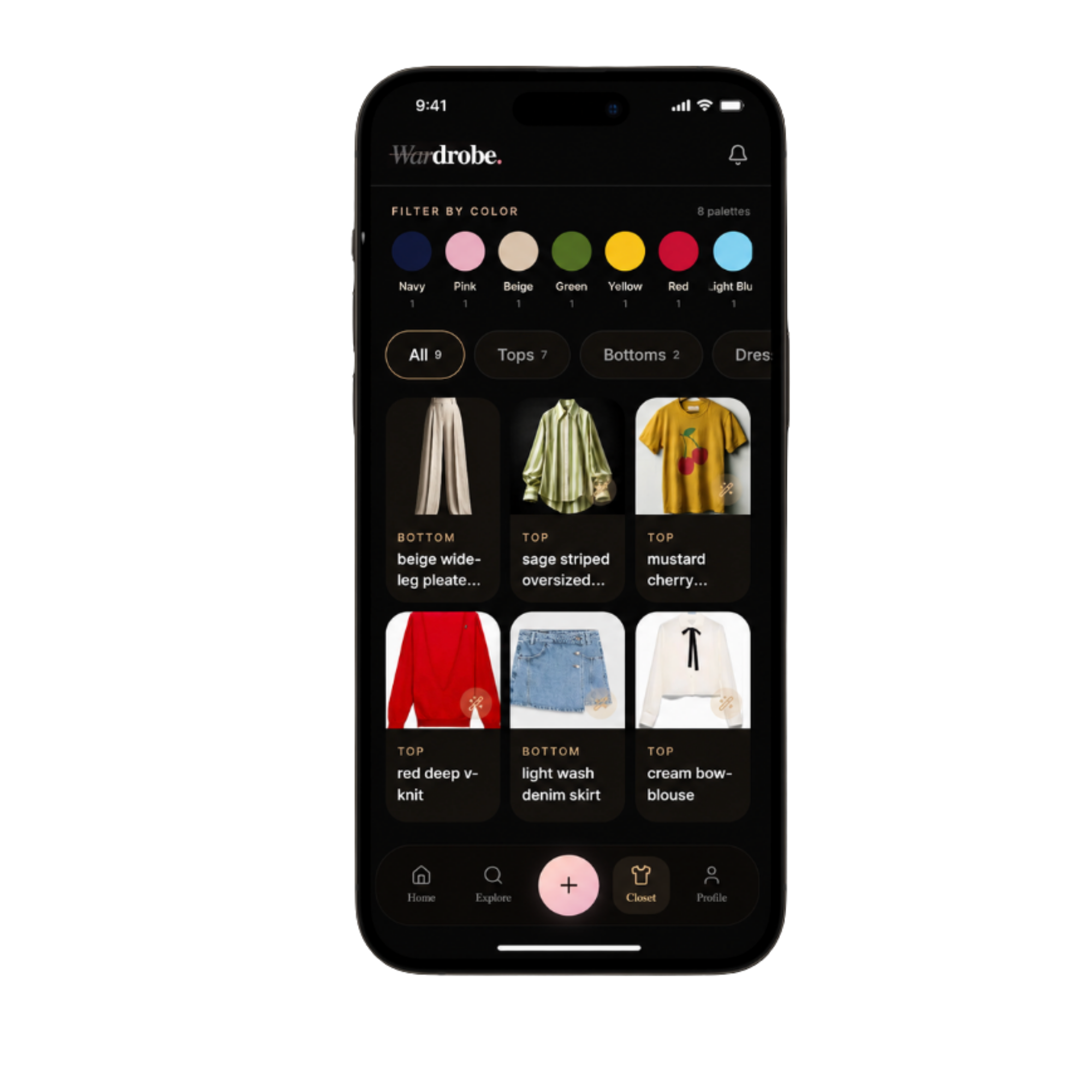
This is the thesis behind Drobe. We are not building a shopping app. We are building a seeing app.
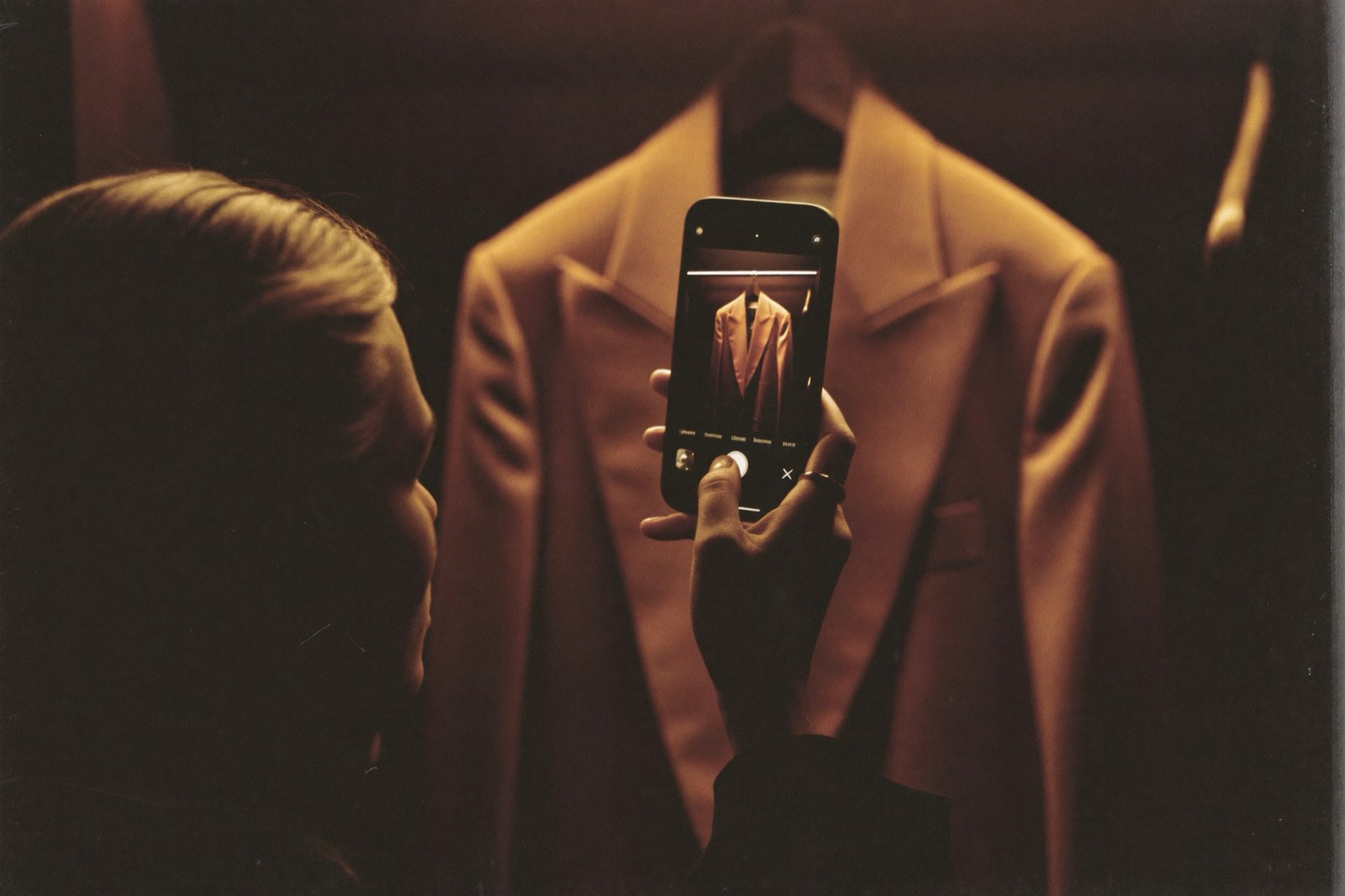
When you photograph your closet into Drobe, The Eye sorts it — not into folders, but into usable combinations. The forgotten cream blouse reappears, styled with the jeans you wear every Tuesday. The coat you bought in Copenhagen suddenly has three outfits attached to it.
You did not buy anything. You simply stopped mislaying what you had.
What to do tomorrow morning.
If you are not ready to download an app, try this: tomorrow, before you get dressed, spend four minutes pulling out the ten items in your closet that you never reach for. Lay them on the bed. Look at them.
Not all of them should stay. Some of them are, in fact, bad. But two or three of them will surprise you. You will notice a colour. You will notice a fabric. You will, perhaps, remember why you bought it. And you will, for the first time in months, see it.
That is the whole trick. That is the whole product. Less war. More wear.
Laura Sinclair is the founder of Drobe. She owns 142 things and is currently wearing eleven of them.