You've uploaded your entire closet to three different apps, answered a color-quiz, and still stood in front of your wardrobe this morning wondering if any of it was worth the storage space on your phone. So do AI stylist apps actually work? The honest answer is: only if they prioritize your rails over a retailer's revenue target. The ones that work act like a very organized friend who has memorized your wardrobe. The rest are shopping assistants wearing a chatbot mask. Knowing the difference saves you both money and thumb fatigue. And if you're weighing an app against hiring a human, we broke down an AI stylist app vs a personal stylist in full.
What does an AI stylist app actually do?
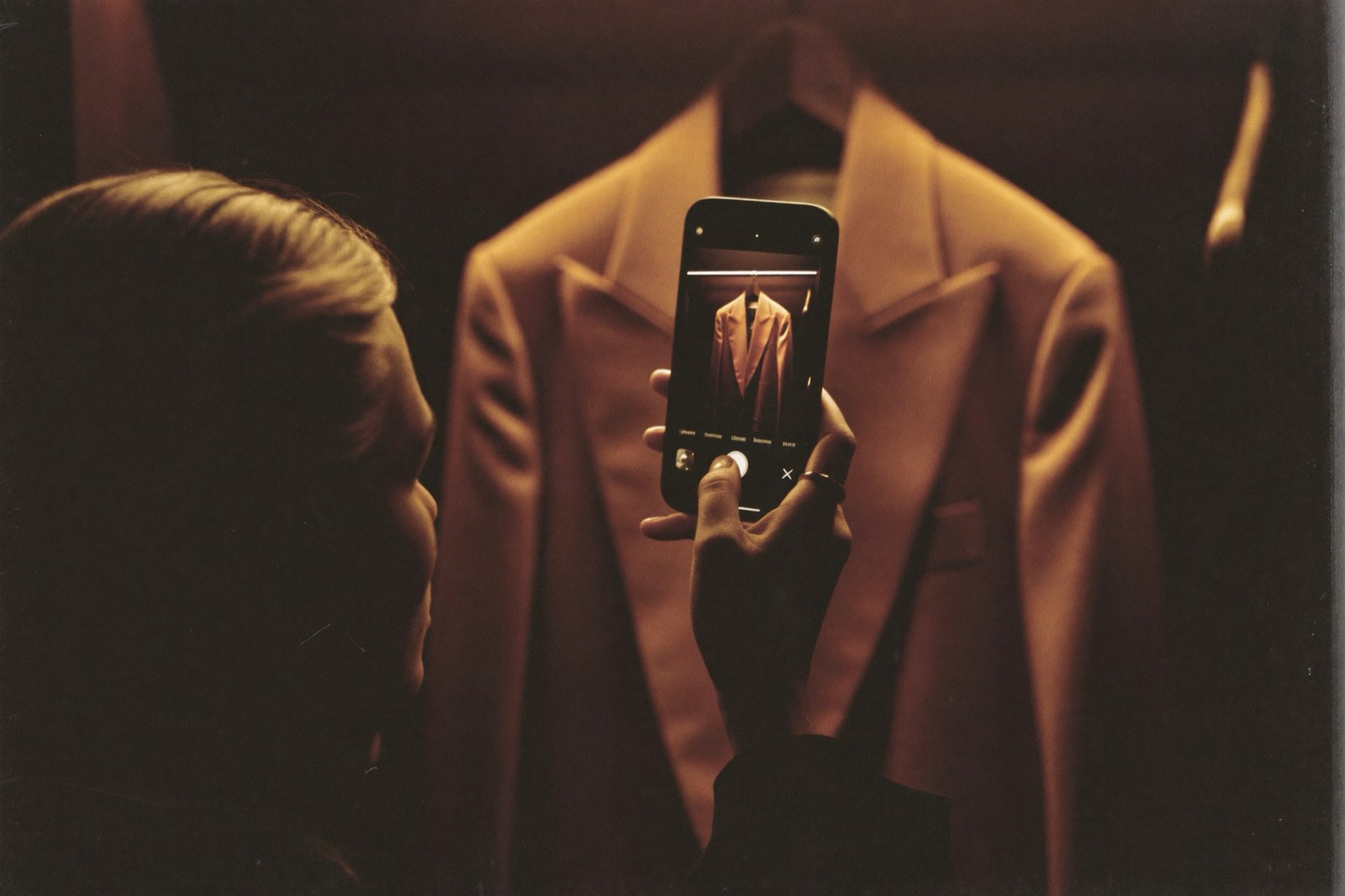
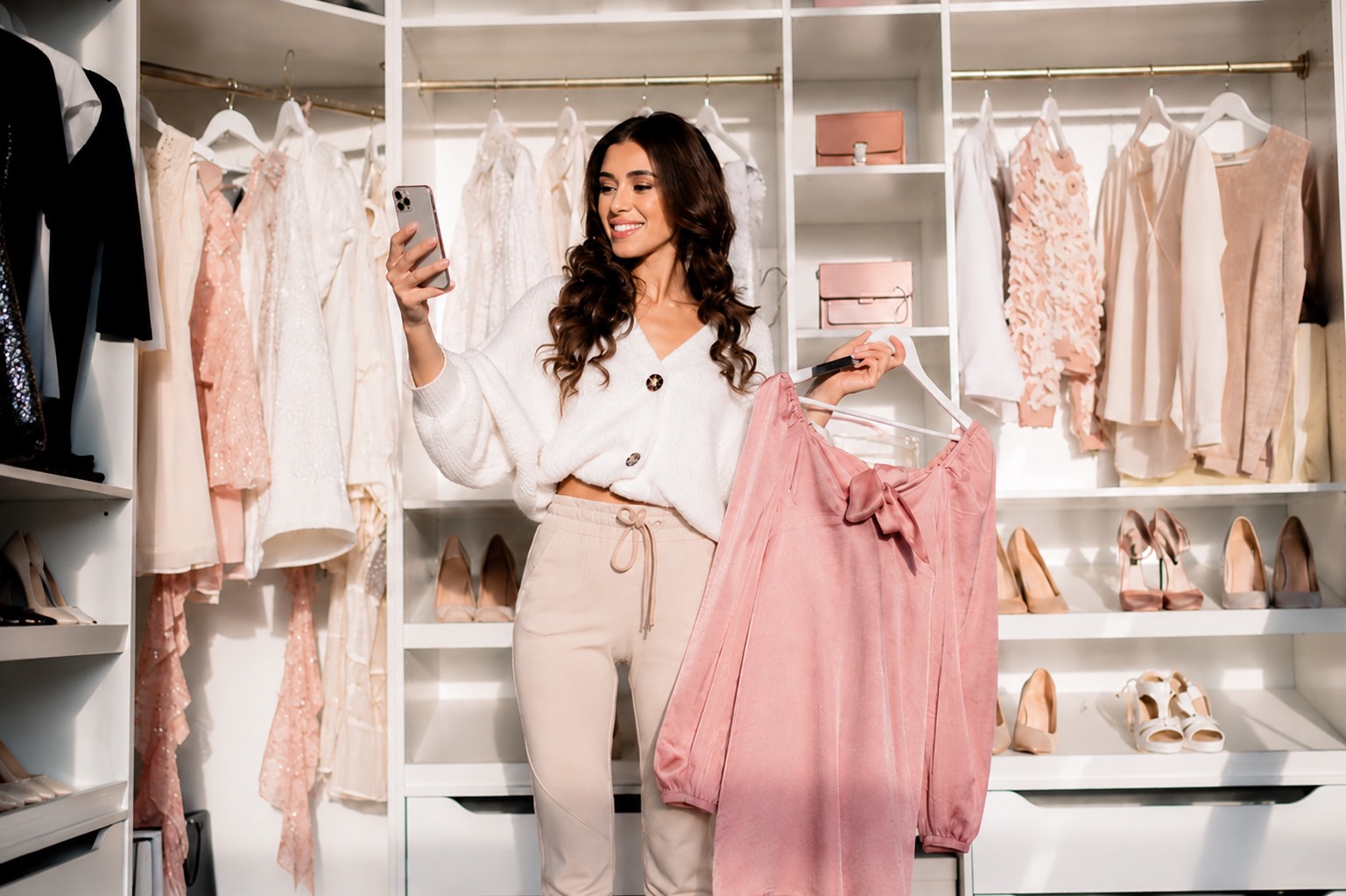
At minimum, the app scans or catalogs your clothes. You either photograph each item individually or let it scrape your email receipts. The AI tags colors, cuts, fabrics, and neckline shapes. Then it mixes these attributes into algorithmic outfit suggestions.
Some apps add weather data. Others claim to learn your “vibe” after you thumbs-up a few combinations. A handful offer calendar sync so they can suggest “client meeting” versus “grocery run” looks.
The technology itself is competent. Image recognition in closet apps has improved dramatically. The problem is rarely the tagging. It is what the app chooses to do with the information. Most recommendation engines are trained on retail data, not lived wardrobes. They know what sells together, not what gets worn together. That distinction matters. A sales correlation says customers who bought this dress also bought these heels. A wardrobe correlation says you wore that dress three times with flats because you walk to work. Retail-trained AI will push the heels.
An app that identifies a silk blouse correctly but pairs it with a sponsored skirt you do not own is not styling your wardrobe. It is mining it.
When do AI stylist apps actually help?
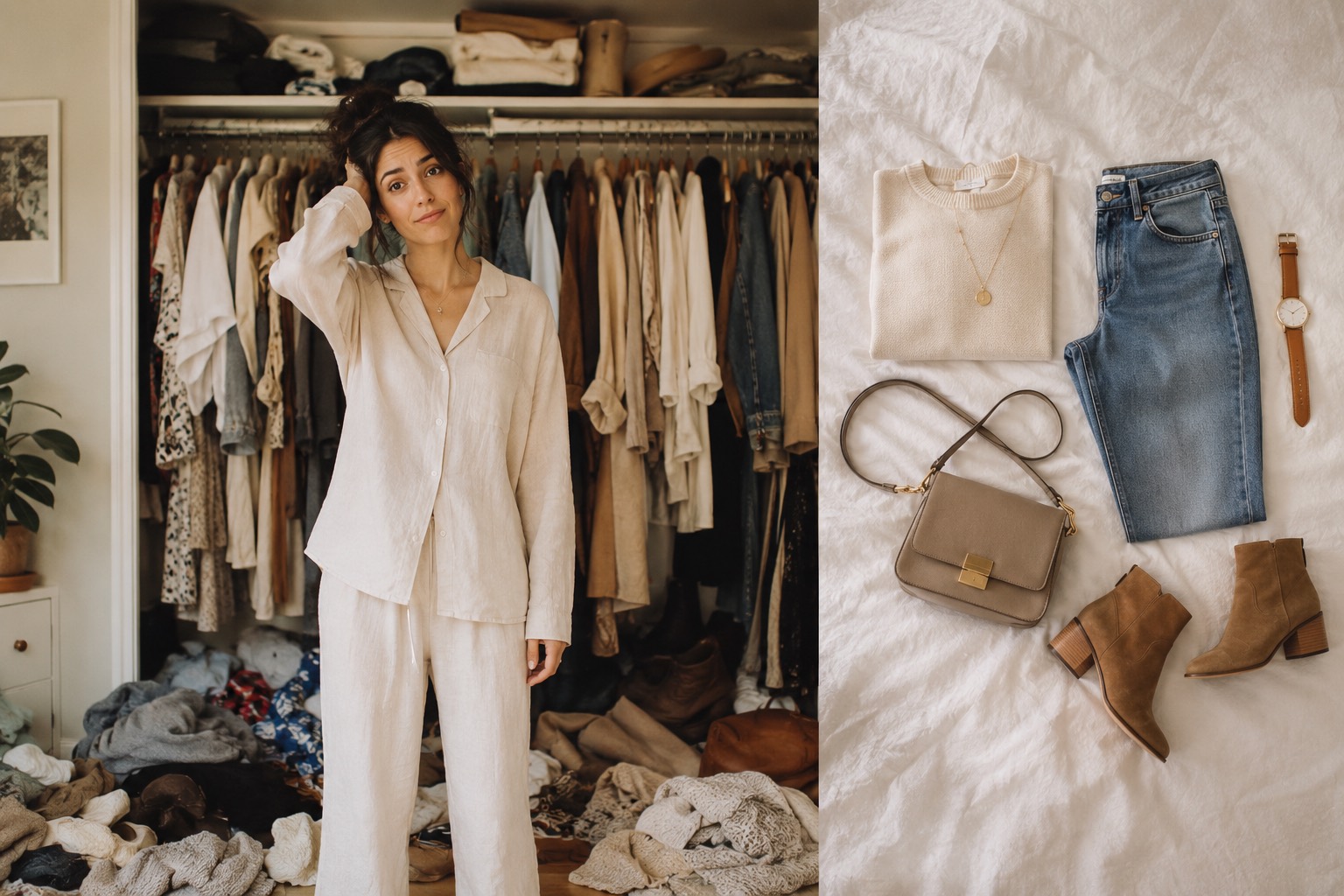
They help when you are staring at a full closet and cannot see the combinations. An AI with a complete inventory can surface a denim jacket you forgot existed. It can suggest it with this week's clean laundry before you default to the same leggings.
It also helps if you are prone to decision fatigue. The American Psychological Association notes that repeated low-stakes choices erode your ability to make high-stakes ones. An outfit decision at 7:00 a.m. counts. Removing that friction preserves energy for problems that actually matter.
People with uniform-heavy lifestyles benefit most. If you wear business casual five days a week, an AI can shake the pieces into new orders without violating the code. Creatives with eclectic wardrobes see weaker results because the algorithm confuses variety with chaos.
However, the help vanishes if the app views your closet as a starter pack for a shopping spree. If every third recommendation ends with a “complete the look” link, you are not using a stylist. You are using a catalog with a camera.
| Your situation | Will an AI stylist help? | The catch |
|---|---|---|
| You own 80+ items but only rotate 10 | Yes | It must force use of underworn pieces, not just sort by favorites |
| You hate morning decisions | Yes | You must trust the algorithm and stop hand-editing every outfit at 6:45 a.m. |
| You want validation before buying new clothes | No | Retail-backed apps will always invent a “gap” in your closet |
| Your closet is mostly unworn gifts and sale mistakes | Unlikely | AI cannot generate cohesion from chaos. Declutter first |
| You already track cost per wear manually | Yes | The app automates the math, but the judgment is still yours |
Outfit Roast is the low-commitment test. Show it your wardrobe; it gives you the honest opinion. Free, brutal, two minutes.
Get roasted — it's free →Why do I still have nothing to wear after using a closet app?
Because digitizing clutter is not the same as curating a wardrobe. If you own four black tops that fit identically, the AI will dutifully treat them as four distinct options. You will receive a permutation of black-top-plus-jeans every day for a month. You will blame the algorithm. It is not broken. Your closet is.
Most apps skip the hard part. Telling you what to remove risks offending you. They are afraid you will delete the app if they insult your 2021 fast-fashion phase. So they stay polite. They generate safe outfits from a bloated inventory. You remain exactly as bored as you were before you uploaded a thing.
Wardrobe paralysis is a volume problem disguised as a style problem. No AI can fix that without a delete button. If you want to plan outfits from what you already own, you have to subtract before you compute.
Are AI stylist apps just trying to sell me clothes?
Often, yes. The business model dictates the advice. If the app is free and lacks a substantial subscription tier, its revenue likely comes from affiliate links or brand partnerships. The app has a financial incentive to tell you that your outfit is “almost there” but would look complete with a specific belt from a partner store.
Even paid apps fall into this trap. They partner with retailers to recommend “trending” items you do not own because their libraries are hooked into shopping APIs. A wardrobe-first app should never suggest an item that is not on your shelf. If it does, it is not styling your closet. It is advertising to it.
The anti-shopping angle is rare because it is unprofitable. Telling you to wear the same shirt six ways generates no affiliate revenue. Telling you to buy a new shirt does. Until the subscription model fully replaces ad revenue, most apps lean toward the latter.
Can an AI stylist understand fit and comfort?
No. An algorithm sees pixels, not posture. It does not know if your waistband is digging in, if a fabric itches, or if a sleeve length annoys you on Tuesdays. It will suggest a belt on a day you are bloated because it cannot read bloat. Most apps treat your body as a static mannequin. You must manually flag “skip today” or “uncomfortable.” If the app lacks an override, it is guessing. Fit is emotional as much as physical. AI has not solved that.
What is the difference between an outfit generator and a real stylist?
A generator checks compatibility. A stylist checks repetition. The generator asks: do these two colors clash? The stylist asks: did you wear that blazer three times this week already? Did you justify the cost per wear on the dress you keep avoiding? A generator optimizes one morning. A stylist has a memory — it knows which pieces earn their space and which are quietly freeloading. That is judgment, not matching.
(This is the gap DROBE’s The Eye was built to close — it remembers what you wore and notices what you ignore. But the framework above works with or without it.)
FAQ: AI stylist apps
Are free AI stylist apps worth trying?
Try them, but watch the business model. If the app is free and every third suggestion links to a store, its stylist is a sales assistant. A wardrobe-first app only recommends what you already own.
Do I have to photograph every item in my closet?
For the AI to style your real wardrobe, yes — it can only work with what it can see. Start with the 30–40 pieces you actually reach for; the forgotten 80% can be added as you audit.
Which closets benefit most from an AI stylist?
Full closets with low rotation — lots owned, little worn. If your wardrobe is mostly unworn gifts and sale mistakes, declutter first; no algorithm can generate cohesion from chaos.
Soleo Technologies builds DROBE — the AI stylist that dresses you from your own closet. Less war. More wear.