You spent $180 on a blazer you have worn twice. Here is how to calculate cost per wear so you can stop lying to yourself about what your closet actually costs.
The formula is simple. Total price divided by total wears. One hundred eighty divided by two is ninety. Your cost per wear is ninety dollars. That is more than the item itself.
I have stared at a $220 coat with the tags still on at two in the morning. I have also worn a forty-dollar pair of sandals eighty times. The math does not care about your intentions. It only cares about the floor.
What is the cost per wear formula?
Cost per wear equals total purchase price divided by number of times worn. That is the entire formula. You do not need a spreadsheet addiction to use it, though spreadsheets do help if you are the type who enjoys weaponizing data against your past self.
Other guides, including those from The Pretty Planeteer and Humans & Land, frame cost per wear the same way: the true cost is only revealed over time.
Write the price you paid in the left column. Write the number of times you have actually put it on your body in the right column. Divide. If the result makes you flinch, the formula is working.
How do real clothes score on cost per wear?
Theory is clean. Your closet is not. Here is how the math plays out in a real wardrobe.
| Item | Price | Wears | Cost per wear | Verdict |
|---|---|---|---|---|
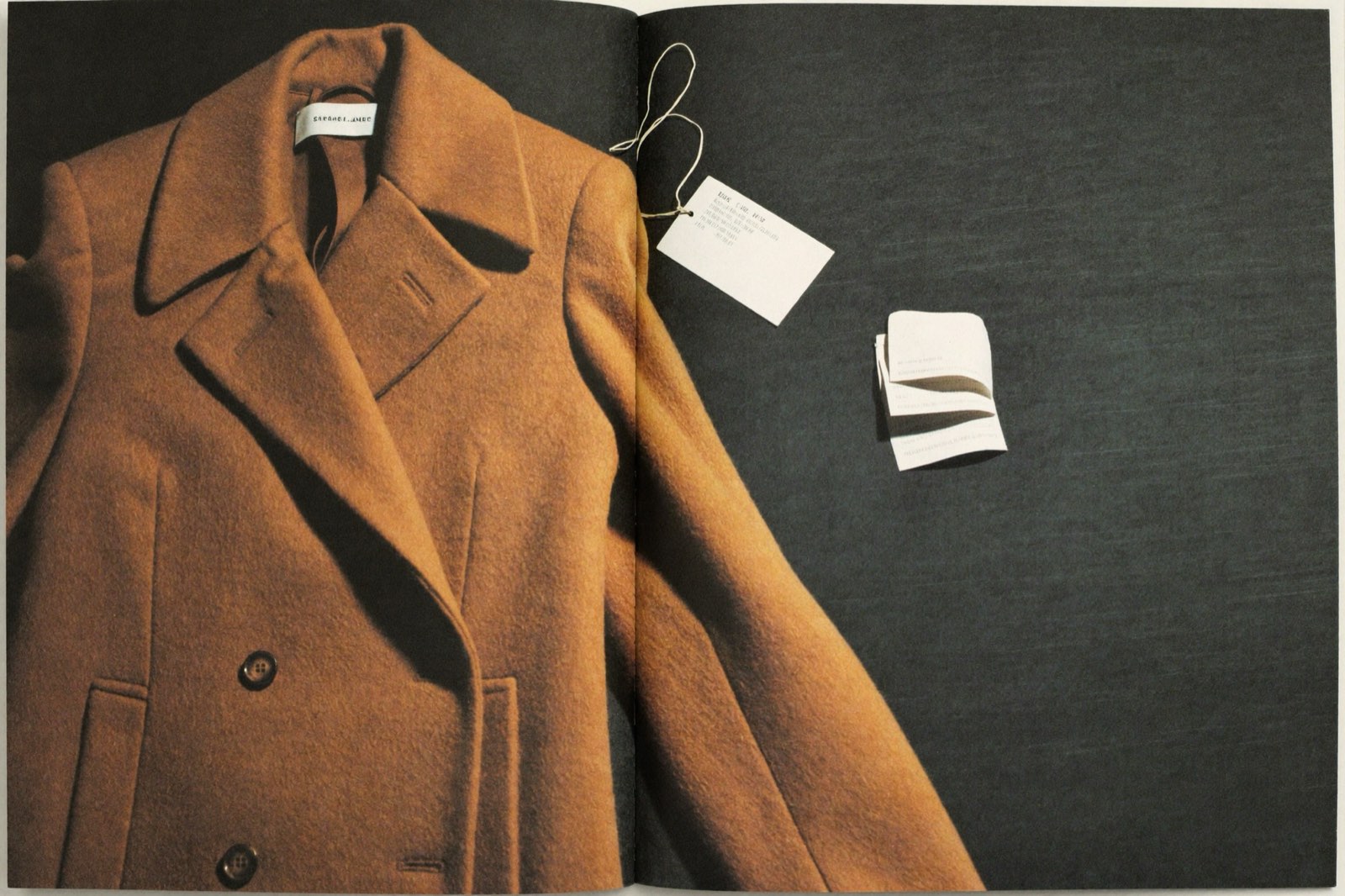
| Camel wool coat | $350 | 200 | $1.75 | Keep. It pays rent. |
| Trendy ruched top | $45 | 3 | $15.00 | Donate. It is not your friend. |
| Black leather loafers | $160 | 120 | $1.33 | Keep. Buy another pair when these die. |
| Floral occasion dress | $220 | 2 | $110.00 | Museum piece. Be honest. |
The coat is expensive and boring. The top was cheap and exciting. Cost per wear exposes which one was the smarter buy. It is almost never the exciting one.
Why do cheap clothes usually lose the math?
Fast fashion banks on the dopamine of the buy, not the reality of the wear. A twenty-dollar top that feels disposable will be treated that way. You will wash it once, notice the seams, and let it become closet upholstery.
A well-made pair of jeans at one hundred forty dollars worn one hundred times costs you $1.40 per wear. A forty-dollar pair worn ten times because the stretch died costs you $4.00 per wear. The “expensive” jeans were cheaper. The math is embarrassing but it is fair.
This is the anti-shopping argument in plain numbers. The less you spend per wear, the less the planet spends per wear. Your wallet and your storage space agree.
An honest calculation deserves an equally honest assessment. Outfit Roast takes thirty seconds and does not spare your feelings. Free.
Get roasted — it's free →What is a good cost per wear benchmark?
There is no universal law, but there is a useful ceiling. Industry benchmarks suggest one to three dollars per wear is a sane target for daily basics you reach for weekly. Statement pieces can live at five to ten dollars if they solve a specific problem and function as armor.
Anything above twenty dollars per wear is a failing grade. It means you bought a fantasy, not a garment. Revisit those items first.
How do you audit your closet with cost per wear?
You do not need to tag every sock. Focus on the category killers: coats, blazers, jeans, dresses, and shoes. These are the items that drain budget and storage at the same time. (If the problem is bigger than math, start with the real reason you have nothing to wear.)
Step one: Pull out the ten most expensive things you own. Step two: Guess the wear count. Be ruthless. If you have to think, the number is lower than you want. Step three: Do the division. Step four: Sort by cost per wear, not by original price. The result is your real wardrobe hierarchy.
Should you track cost per wear for everything?
No. Tracking cost per wear for underwear is a disorder. Use the formula on items that required a deliberation before purchase. If you stood in the dressing room wondering if it was worth it, it qualifies.
For everything else, use the hanger trick. Turn every hanger backward. When you wear something, turn it forward. In three months, the backward hangers are your donation pile. The numbers may vary. The truth does not.
When should you donate something even if the cost per wear is low?
A low cost per wear is not a lifetime contract. Sometimes an item becomes embarrassing. It fits but it does not fit who you are. It is stained, dated, or associated with a version of you that quit. The formula cannot measure that.
If the sight of it makes you tired, the cost per wear is irrelevant. Thank it for its service and let it become someone else's useful statistic.
This is part of why I built DROBE. The app tracks what you actually wear, not what you wish you wore. But the math works with or without it.
Frequently asked questions
What is the easiest way to calculate cost per wear?
Price divided by wears. Use your phone calculator or a notes app. Do not over-engineer it.
Does cost per wear work for shoes and accessories?
Yes. Shoes are the best category for this because they either carry you or they do not. Accessories are harder to track unless you wear the same bag daily.
Should I include maintenance costs like dry cleaning?
If you want to be ruthless, add dry cleaning, tailoring, and repair costs to the numerator. Most people do not. The raw number is ugly enough.
Why does my cost per wear make me feel guilty?
Because it replaces the fantasy of your wardrobe with the inventory. That is the entire point. Let it hurt.
Can cost per wear help me stop shopping?
Yes. Once you see the waste, sales lose their psychological power. A fifty-percent discount on something you will not wear is still one hundred percent of the price wasted.
Soleo Technologies builds DROBE — the AI stylist that dresses you from your own closet. Less war. More wear.