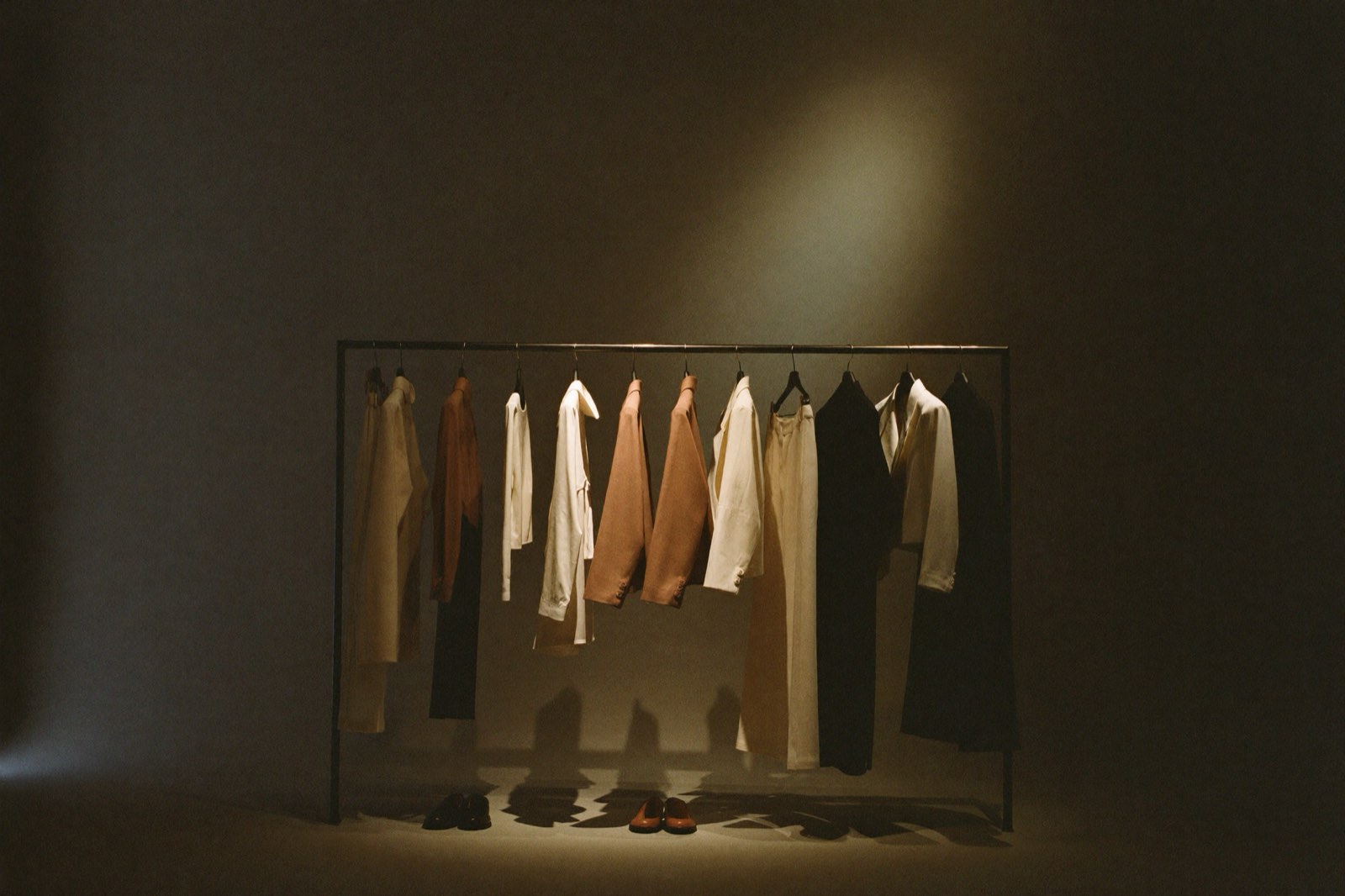
You have nothing to wear. The closet is full. This is not a storage problem, and it is not solved by another haul. It is a rotation problem, a visibility problem, and sometimes an identity problem. The fix takes about three hours, zero dollars, and a willingness to look at your clothes as tools instead of trophies.
Here is the complete guide.
Why do I have nothing to wear? The psychology hiding in your closet.
The average closet contains more than a hundred items. You reach for the same twelve. This is not because you lack taste; it is because human beings are predictable. We reach for the washed-soft T-shirt, the safe black trousers, the dress that already earned one compliment. Psychologists call this decision fatigue. The more options you face at 7:00 a.m., the more likely you are to choose nothing at all. Your brain conserves energy by defaulting to the familiar. Everything else becomes visual noise.
There is a second layer. Many pieces were purchased by a former version of you. The corporate suit from the job you quit. The bandage dress from the phase you outgrew. The sale sweater that was a "maybe someday." Clothes carry memory, guilt, and aspiration. You do not see a garment. You see the person you were going to become when you bought it. That emotional weight makes the item feel unavailable for actual use.
You do not need more clothes. You need a clearer relationship with the ones you own.
The visibility gap: if you can't see it, it doesn't exist.
If you cannot see it, you cannot wear it. Most closets are vertical landfills. The silk blouse is jammed between a winter coat and a bridesmaid dress. The good jeans are folded in a drawer beneath three pairs of leggings you hate. Out of sight is out of rotation.
The first mechanical fix is extraction. Remove every item and place it on your bed. Yes, all of it. This is not an organizational fetish. It is logistics. You are conducting a visual inventory of assets you have already funded. Most people rediscover twenty to forty pieces they genuinely forgot. That is a free wardrobe, if you can see it.
While everything is out, sort by silhouette, not by color. Color sorting is beautiful and useless at dawn. Silhouette sorting — trousers together, dresses together, knitwear together — shows you where you have duplicates and where you have holes. Three black crewneck sweaters do not equal one functional top if none of them fit the trousers you actually wear.
The orphans: when you own clothes, not outfits.
Retail therapy buys garments. It does not buy outfits. A new top without a bottom, shoes, and weather logic is just another orphan. Over time, closets accumulate single items that never integrate. The print skirt with no compatible top. The statement blazer that needs a very specific shoe and a very specific mood.
Retail rewards fantasy. Outfit planning requires arithmetic. One purchase should ideally create three new combinations with existing items. If it does not, it is not a wardrobe addition. It is a wardrobe tax.
The fix is to stop planning outfits in your head and start mapping them the night before — which removes the morning decision entirely.
The emotional tax: why guilt takes up closet space.
Sentimental clutter is the slowest to evict. The graduation dress. The jeans from before the weight change. The gift you never liked but cannot donate. These items occupy physical and psychological real estate. They whisper that you are ungrateful, wasteful, or behind.
They are fabric. They are not contracts. Keeping a shirt does not keep a memory, and donating it does not erase a person. If you need permission to separate the garment from the guilt, read how to declutter your closet when you're sentimental. It contains the actual questions that loosen attachment without forcing brutality.
Step one: run the hanger audit without throwing anything away.
Purging first is a mistake. You do not yet know what you have, what works, or what is missing. Start with data.
Hang every item backward on the rod. Hanger hook facing you. When you wear something, return it the normal way. In four weeks, you will have a heat map of your actual life. The backward hangers are the candidates for storage, donation, or reconsideration. This is the reverse hanger trick. It removes impulse and replaces it with evidence. Here is the full 30-day method for tracking what you wear, step by step, with the photo rule and the Sunday audit.
Do not purge during the audit. Purging is emotional. Audit is mechanical. Separate the two or you will keep the wrong things for the wrong reasons.
This is part of why I built DROBE — but the hanger trick works with or without it.
Roast My Closet is exactly what it sounds like. Show it your wardrobe; it tells you the truth. Free, brutal, over in two minutes.
Get roasted — it's free →Step two: photograph the inventory and find the duplicates.
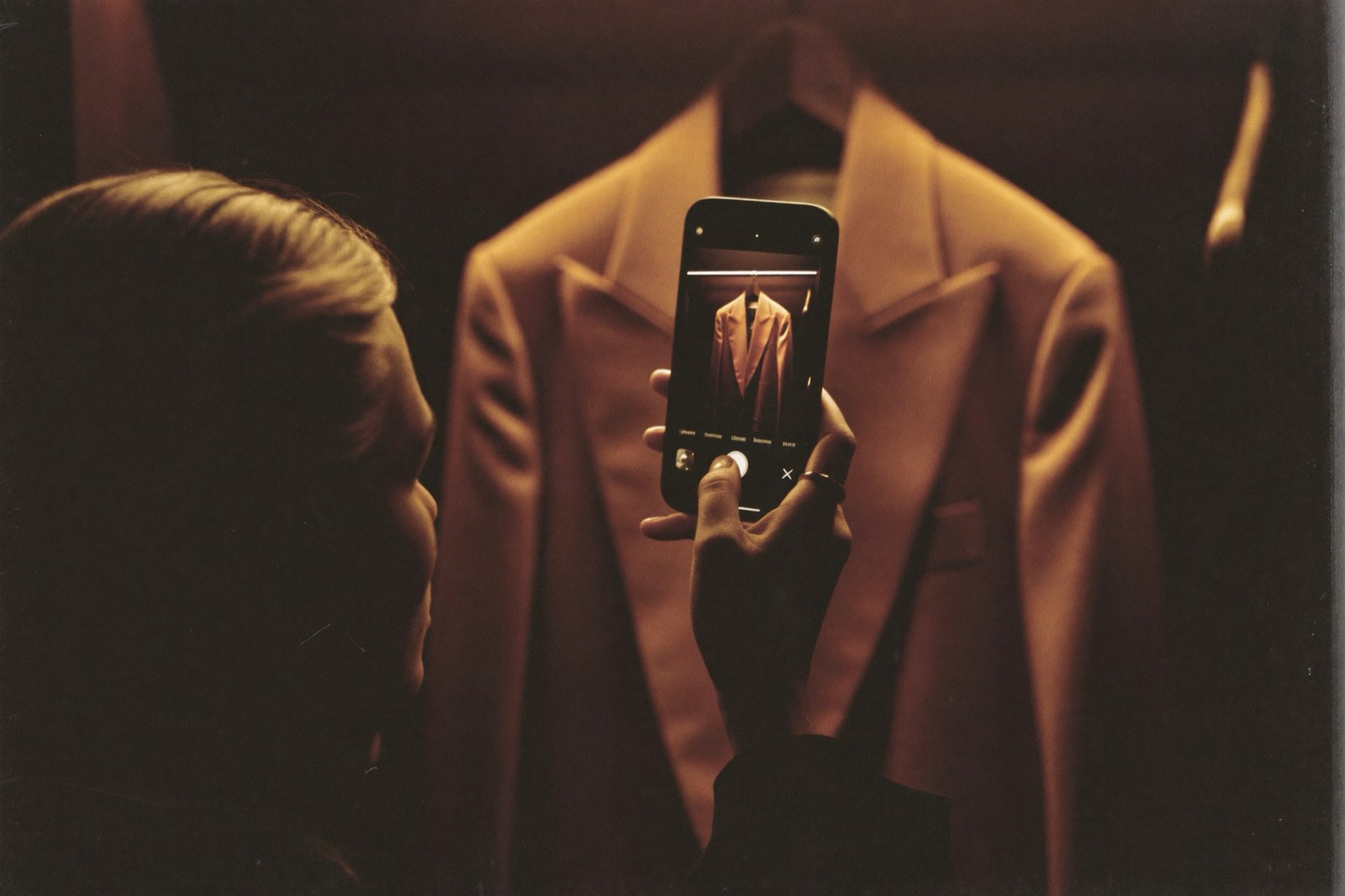
While the hanger audit runs, photograph every item. Not for Instagram. For inventory. A simple grid of photos on your phone reveals the truth: you own four navy blue crewnecks and zero white tees that are not see-through. You own six date-night tops and one pair of date-night shoes. The camera is objective in a way the mirror is not.
These photos become the seed of a working outfit library. Scroll them on Sunday evening when you plan the week. It is faster than standing in front of the closet hoping for inspiration.
Step three: build the Sunday outfit map.
Sunday evening is cheaper than Monday morning panic. Pull five looks for the coming week. Check the weather. Check your calendar. Lay them out or photograph them. This converts abstract clothing into scheduled tools.
The map should include one "emergency" outfit for the day you oversleep. It should include one elevated option for the meeting you forgot about. Everything else should be automatic. The goal is zero decision-making before coffee.
If you repeat this for a month, patterns emerge. You will notice which pieces are workhorses and which are wallflowers. That data then informs future purchases — or future donations.
Step four: apply the cost-per-wear filter to any future buy.
Before anything new enters the closet, run the number. Divide the price by the number of times you will realistically wear it in a year. If the result makes you wince, the item is a collector's piece, not a wardrobe piece. Most closets are overweight on collectors and underweight on tools.
This is not about cheapness. It is about honesty. A two-hundred-dollar coat worn a hundred times costs two dollars per wear. A forty-dollar top worn once costs forty. The math does not care about the sticker.
Learn the exact calculation in how to calculate cost per wear.
Step five: declutter using the Alter, Store, Exit rule.
Once the hanger audit is complete, sort the unworn items into three categories:
- Alterations: It fits, but the hem is wrong or the button is missing. Take it to the tailor or leave it in a bag by the door. If it is not altered in seven days, it becomes Exit.
- Storage: Seasonal, maternity, or occasion-specific. Box it with a date. If unopened in twelve months, donate unopened.
- Exit: Sell, swap, or donate without apology.
Do not create a "maybe" pile. Maybe is where closets go to die.
Do you need a capsule wardrobe, or just an honest one?
There is a persistent myth that salvation lies in thirty-seven perfect items. For some, that is freedom. For others, it is a straitjacket. A capsule works if your life is uniform. If you move between work, weekends, erratic weather, and occasional weddings, rigidity becomes another source of stress.
Build a functional wardrobe, not a minimal one. The correct number of items is the number you actually wear, organized so you can see them. If you want the case for owning less and wearing more, read the case for a smaller, smarter closet. The principle is the same: every item must earn its hanger.
Can AI actually solve this?
An algorithm cannot feel guilt about a bridesmaid dress. It can, however, remember every item you own, track what you wear, and propose combinations your brain is too tired to find. The value of an AI stylist is not glamour. It is cognitive outsourcing at 7:00 a.m.
The real question is whether the app understands real closets. Most digitization tools treat your wardrobe like a spreadsheet. A useful AI treats it like a relationship. It notices your rotation. It flags the orphans. It suggests outfits based on weather and your actual history, not a Pinterest board. For a wardrobe-first review of the options, see do AI stylist apps actually work.
If you want early access to the wardrobe planner and new rotation tools, join the DROBE waitlist. It takes thirty seconds and it locks in your place before the next release.
The Monday morning protocol.
- Open the closet.
- Grab the outfit you mapped Sunday night.
- Leave.
If the mapped outfit is not wearable, your system is broken. Fix it on Sunday. Do not negotiate with a closet at dawn. Repeat the protocol for thirty days and you will know exactly why you only wear ten percent of your clothes — and you will have changed the ratio.
Frequently asked questions.
How long does it take to fix a "nothing to wear" problem?
The audit takes three hours. The habit takes four weeks. Most people feel relief after the first Sunday outfit map.
Do I need to throw out clothes to fix this?
No. Start with visibility and planning. Purge only after you know what you are actually ignoring.
What if my lifestyle changed and my clothes don't match?
Then you are not shopping for pleasure. You are shopping for function. Use the cost-per-wear floor and buy slowly.
Are AI wardrobe apps better than doing this manually?
Manual systems work forever. AI works faster and remembers for you. If you own over a hundred items or loathe morning decisions, the machine is worth testing.
Why do I still feel like I have nothing to wear after shopping?
Because you bought items, not outfits. Map your week before you buy, so every new piece has to earn three combinations first.
Soleo Technologies builds DROBE — the AI stylist that dresses you from your own closet. Less war. More wear.